During the 2026 China Carbon Market Conference, Zhang Xiliang, Director of the Institute of Energy, Environment and Economy of Tsinghua University and President of the China Carbon Emissions Trading Association, held in-depth exchanges and discussions with Joseph Chan Ho-lim, Under Secretary for Financial Services and the Treasury of the Government of the Hong Kong Special Administrative Region of China; Benedict Chia, Director-General of Climate Change at the National Climate Change Secretariat of the Strategy Group, Prime Minister's Office of Singapore; Dirk Forrister, Chairman and Chief Executive Officer of the International Emissions Trading Association (IETA); as well as representatives from the China Green Carbon Foundation, the Children's Investment Fund Foundation, and domestic and international enterprises. The discussions focused on topics such as jointly building a global carbon credit market and enhancing the international influence of China's carbon market.
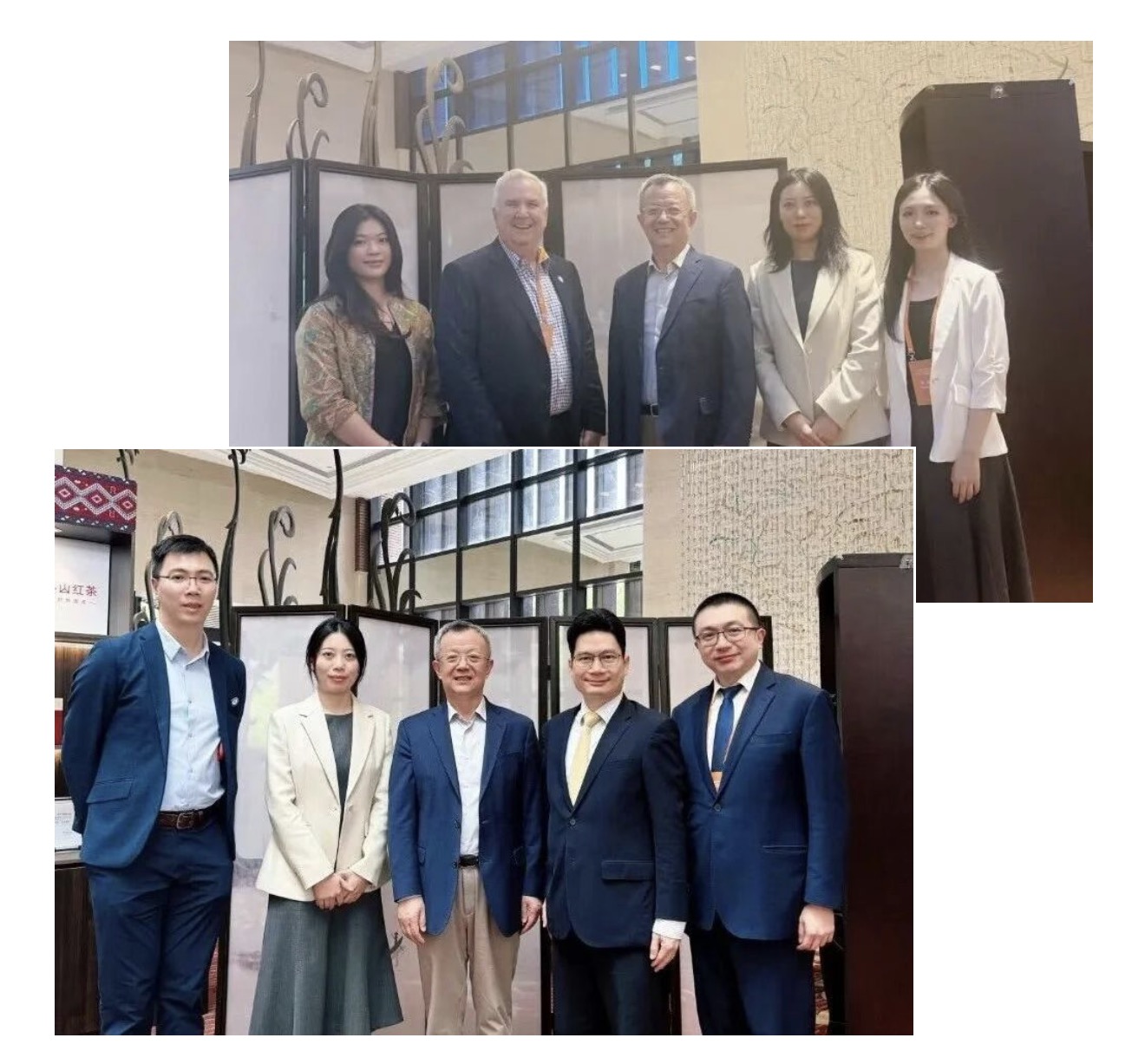
During the exchanges, all parties agreed that the global carbon credit market is still in a stage of development and integration. They expressed the expectation that China, building on its solid market development foundation, complete institutional framework and rich practical experience, will actively participate and play an important role in international consultations on carbon credit rules and standard-setting, thereby helping to address the fragmentation of global carbon markets.
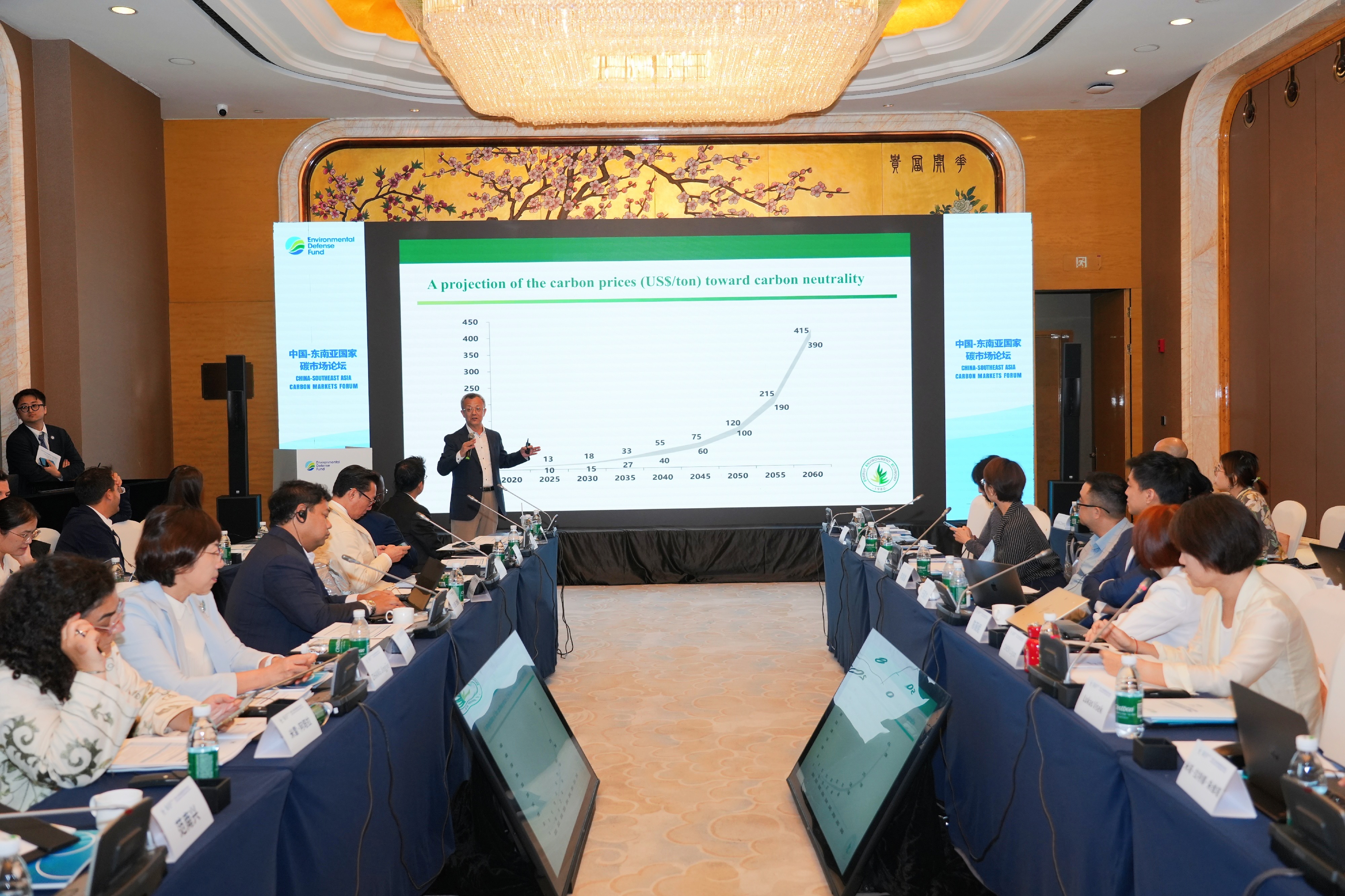
On September 16, Professor Zhang Xiliang attended the "China-Southeast Asian Countries Carbon Market Forum" hosted by the Beijing Representative Office of the Environmental Defense Fund, and delivered a keynote speech on "China's Experience in Carbon Market Development and Recommendations for Carbon Market Development in Southeast Asia." He noted that Southeast Asian countries may draw on China's experience in carbon market development by starting with local pilots and key industries, and adopting institutional arrangements such as intensity-based control and free allocation at the initial stage of market development. As market conditions gradually mature, they may expand sectoral coverage in an orderly manner and steadily transition toward a carbon market primarily based on cap control, combining free allocation with paid allocation.
Going forward, the China Carbon Emissions Trading Association will continue to serve as a bridge and bond. While remaining committed to supporting the high-quality development of the national carbon market, it will continuously expand channels for international exchanges and cooperation, actively promote China's experience and governance solutions in carbon market development, and contribute to building a fairer, more transparent and more efficient global carbon credit governance system. In addition, by deeply participating in the co-development of global carbon credit market rules, deepening practical cross-border cooperation, and facilitating the cross-border flow of high-quality carbon credit resources, the association will help consolidate global efforts in emissions reduction, and continue to contribute China's strength to the global response to climate change and to building a green and low-carbon new paradigm for global development.